Waikoloa Whale Watching Tour
Tours & tickets

Hand-picked by our editors — only the best 5 whale watching experiences from 47 reviewed.

Open today 00:00–23:59
Attendance: Moderate — summer season
Whale watching tours operate seasonally Dec–Mar; beach access remains open year-round.
Free cancellation Instant confirmation Mobile voucher Verified partner Expert naturalist guides
Tickets

Choose your ticket

Verified partners for every tour, free cancellation where available, and instant confirmation on every booking.

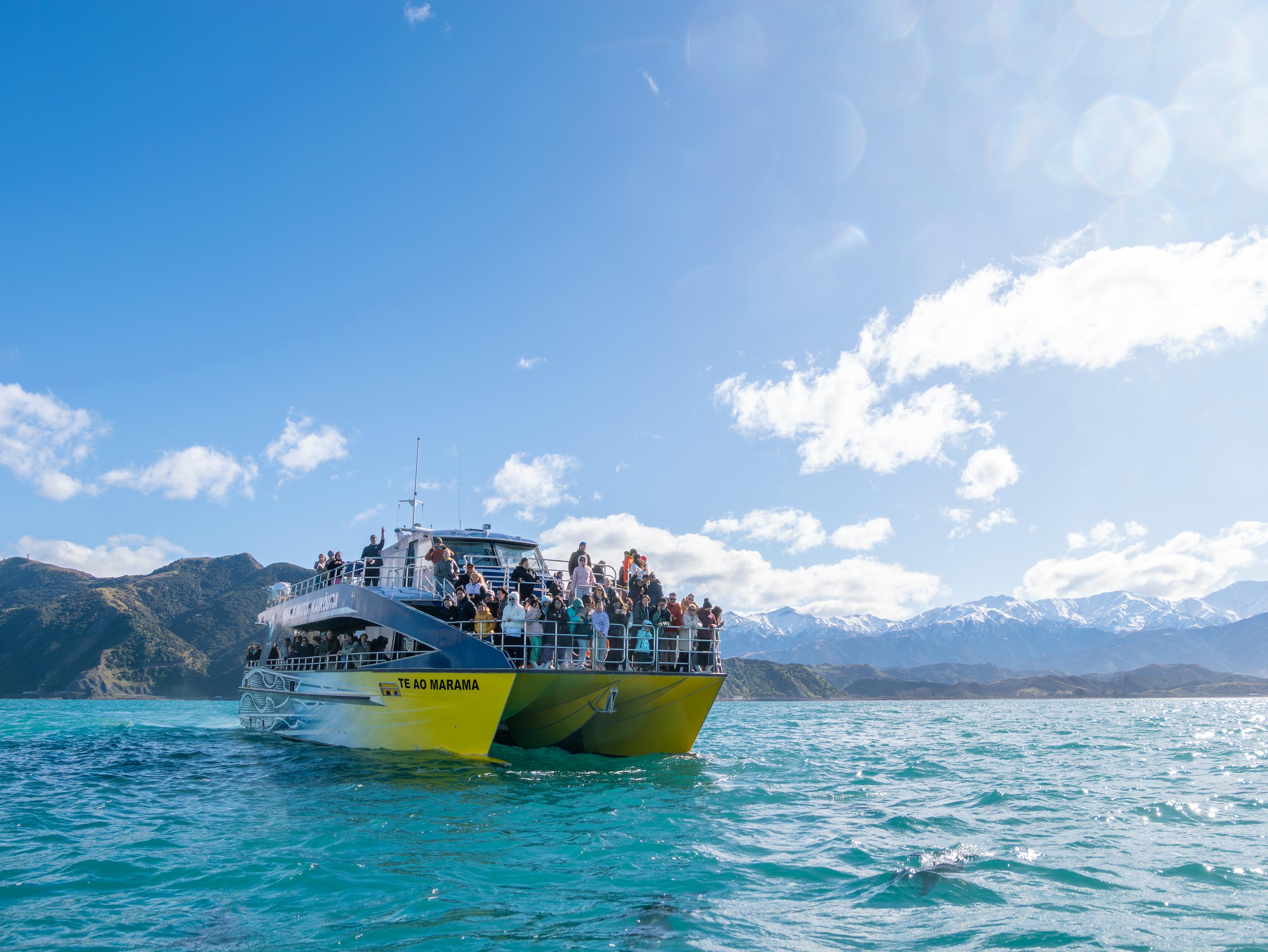
Kaikoura Whale Watching Catamaran Cruise 3 hr 30 min
Standard Entry

Kaikoura Whale Watching Catamaran Cruise

4.6 (3719)
€90
per person
Instant Mobile voucher Flexible — change up to 24h

Encounter massive sperm whales and marine wildlife on a sustainable ocean safari along New Zealand's dramatic coast.

Reserve
Ethical Whale & Dolphin Watching Tour 2 hr
Standard Entry

Ethical Whale & Dolphin Watching Tour

4.9 (1896)
€54
per person
Instant Mobile voucher Flexible — change up to 24h

Small-group marine safari with expert guides, conservation focus, and 98% sighting success rate

Reserve

Prices from verified partners. Availability updates in real time at checkout. Free cancellation policies apply where shown.

Highlights

What you'll see inside the attraction

The landmarks, rooms, and views travelers on this tour remember — all visible on a single visit.

Kohala Coastline

A rugged volcanic shore featuring stunning black lava fields meeting the Pacific.

Anaeho'omalu Bay

The primary beach departure point known for its calm, protected waters.

Mauna Kea Views

Clear days offer sightings of Hawaii's tallest mountain while at sea.

Spirit of Aloha

A spacious sailing catamaran used for premium afternoon whale watching.

Holona Powerboat

A 40-foot vessel designed for quick access to whale activity.

Head to head

Waikoloa Deluxe Whale Watching vs Shore-Based Viewing at Anaeho'omalu Bay

They complement each other; most visitors who do both call the waikoloa deluxe whale watching experience the more thrilling for marine mammal encounters.

Feature Top pick Deluxe Boat Tour Shore-Based Viewing
Proximity to whales
Low (distance-dependent)
Cost
0 USD
Accessibility
Beach sand access
Time commitment
Flexible duration
Comfort level
Variable shore conditions
Viewing perspective
Horizon-based shoreline view

Verdict: Securing waikoloa deluxe whale watching tickets ensures a deeper connection to marine life, whereas shore-based observation provides a casual alternative for those with limited time or specific waikoloa deluxe whale watching tours preferences.

How your ticket works

Book your ticket in 3 steps

  1. 01

    Book online

    Choose your ticket, select your date, and reserve in under two minutes. Secure checkout handled by our verified partner.

  2. 02

    Receive your mobile voucher

    Instant confirmation by email, with a mobile voucher you can save offline. No printing, no queuing at a collection desk.

  3. 03

    Show & enter

    Arrive at the entrance, show your voucher on your phone, and walk in. Most tickets include priority or skip-the-line access.

Plan your visit

Everything you need to know before you go

Practical details for your visit straight from our verified partners — hours, access, rules, and how to get there.

Open today · 00:00–23:59
Operating Hours
00:00–23:59
Address
Anaeho'omalu Bay, Waikoloa, HI 96738, USA
Accessibility
Vessel-dependent; notify staff upon booking for assistance
Best Arrival
08:00–16:00
Location Context
Oceanfront at Waikoloa Beach Resort
Mon
00:00–23:59
Tue
00:00–23:59
Wed
00:00–23:59
Thu
00:00–23:59
Fri
00:00–23:59
Sat
00:00–23:59
Sun
00:00–23:59
Location

Address
Anaeho'omalu Bay, Waikoloa, HI 96738, USA
Location Context
Oceanfront at Waikoloa Beach Resort

Dress code

Wear comfortable resort casual clothing and layers, as ocean breezes can be cool. Footwear should be easy to remove for boarding via the beach.

Bags & security

Keep personal items minimal; water-resistant bags are recommended for electronics. Security check-in occurs at the designated orange banner near the coconut trees.

Photography

Photography is encouraged, but ensure your gear is protected from salt spray. Follow crew instructions regarding flash usage near marine life.

Accessibility

The boarding process involves walking across sand and entering a tender or vessel; guests with mobility concerns should contact the operator in advance.

What to bring

  • Sunglasses
  • Sunscreen
  • Hat
  • Camera
  • Towel
  • Light jacket
  • Government-issued ID

Not allowed

  • Glass containers
  • Illegal substances
  • Drones
  • Large coolers
  • Fishing gear
  • Spears
  • Spray sunscreen
  • Sharp objects
  • Radios

Families & strollers

Family-friendly excursions available; infants and children are welcome. Ensure minors are supervised at all times during the waikoloa deluxe whale watching tour.

Food & drink

Afternoon waikoloa deluxe whale watching tours feature a premium bar with tropical cocktails, beer, and wine. Light beverages like juice and water are included on all trips.

Around your visit

Everything else worth knowing

Best time to go, insider tips, nearby landmarks, and the cancellation fine print — flip through to skim what matters to you.

Cancellation policy

Flexible, no hidden fees.

For a full refund, cancel at least 24 hours before the scheduled departure time. Tour fees apply for boat access; beach entry is 0 USD.

About

The place, in context

Humpback whales migrate 3,000 miles from Alaskan feeding grounds to the warm shallow waters off Hawaii's Kohala Coast each winter, arriving in November and remaining through April to calve, nurse, and engage in competitive courtship displays. The protected marine corridor between Waikoloa and the offshore islands creates a natural amphitheater where males sing complex songs audible through hydrophones, females nurse newborn calves in water shallow enough to observe from chartered vessels, and juvenile whales breach repeatedly in what researchers interpret as play behavior or communication. Anaeho'omalu Bay, the primary departure point for waikoloa deluxe whale watching excursions, sits within the Hawaiian Islands Humpback Whale National Marine Sanctuary, a federally designated zone established in 1992 to safeguard critical breeding and calving habitat. The Kohala Coast's volcanic topography creates unique conditions for close-range marine observation. Offshore waters drop steeply from shallow coastal reefs to depths exceeding 600 feet within a mile of shore, concentrating pelagic species along the shelf edge. Humpbacks favor these transition zones where upwelling currents carry nutrients that support dense krill populations, the whales' primary food source during their Arctic summer months. Though the animals fast during their Hawaiian residency, they remain in coastal waters for thermal regulation and predator avoidance, positioning calves between themselves and the shoreline. Premium whale watching vessels operating from Waikoloa maintain approach distances mandated by NOAA regulations — 100 yards minimum — while marine naturalists aboard each craft provide real-time identification of individual animals using fluke patterns cataloged in the North Pacific Humpback Whale photo-identification database. Waikoloa's position on the leeward side of Mauna Kea and Mauna Loa shields departure waters from prevailing trade winds, producing calmer seas than windward coasts and extending the operational season for deluxe marine tours into early May. Charter operators favor morning departures when offshore breezes remain light and whale activity peaks during post-dawn feeding behavior. Catamaran designs common to high-end excursions offer stable viewing platforms with 360-degree access, hydrophone audio systems that broadcast underwater vocalizations to passengers, and shaded seating for the two-to-three-hour transit window. Sightings are not guaranteed but exceed 90 percent during peak season, January through March, when the resident population reaches its annual maximum. The waikoloa deluxe whale watching fleet includes vessels equipped with marine biologists who contextualize observed behaviors within current cetacean research, transforming recreational cruises into educational encounters with one of the ocean's most studied migratory species.

"Humpbacks favor these transition zones where upwelling currents carry nutrients, positioning calves between themselves and the volcanic shoreline."
Your experience

What a tour day looks like

A step-by-step walkthrough of the visit — what you'll see, how long each stage takes, and the details that matter.

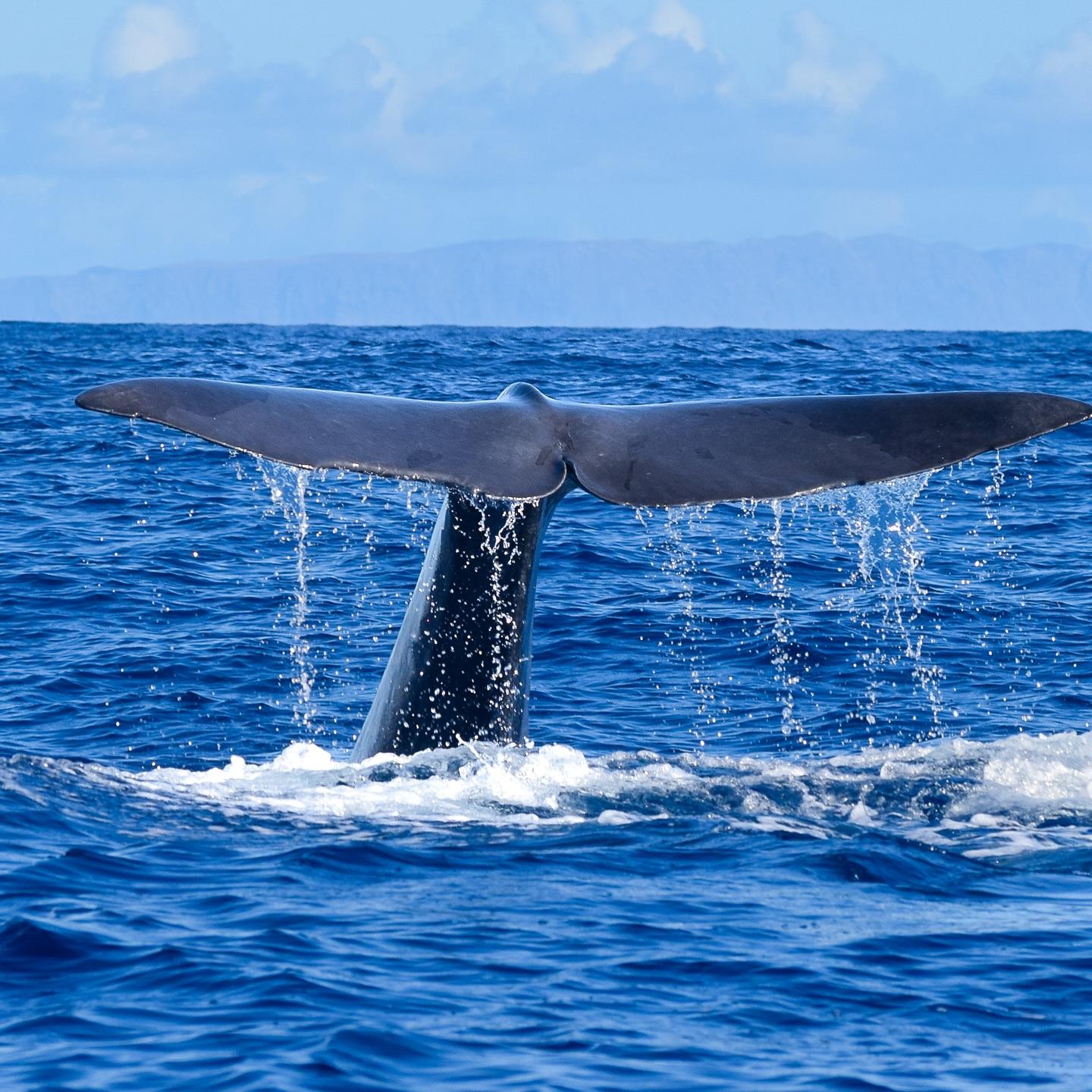
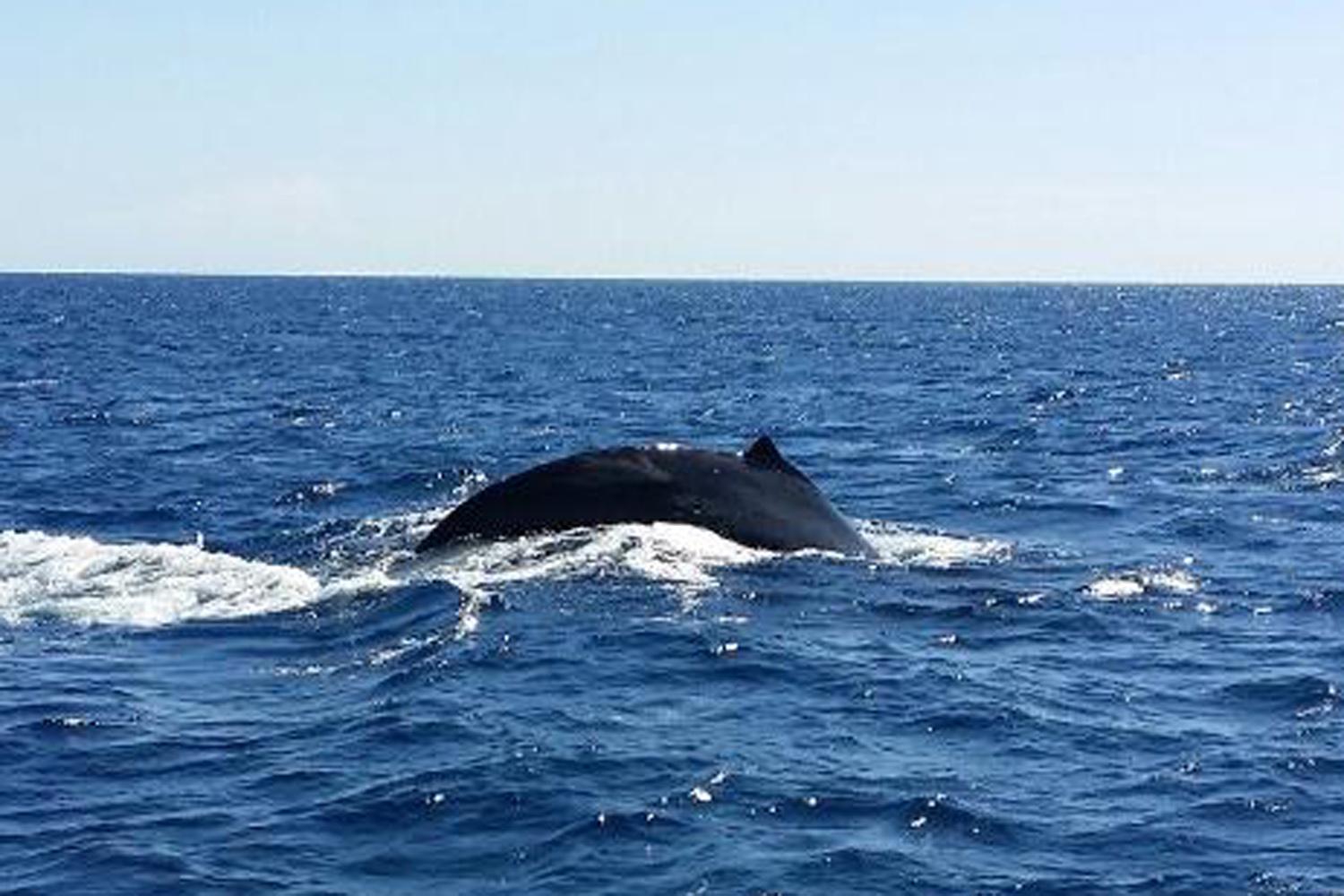
You board a twin-hull catamaran at Anaeho'omalu Bay's south dock at 8:15 a.m., stepping onto teak decking still cool from the overnight trade winds. The crew runs through safety protocols while you claim a spot along the starboard rail, Mauna Kea's snow-dusted summit visible 40 miles inland. The engines engage and you clear the reef break within ten minutes, the coastline's black lava fields receding as the vessel turns northwest into open water. Fifteen minutes offshore, the naturalist gestures toward a columnar spout 200 yards ahead — a lone adult exhaling at the surface. You watch through binoculars as the whale arches its back, the dorsal fin emerging then disappearing, followed eight seconds later by the fluke rising vertically before a clean dive. The catamaran repositions and cuts engines. You wait in silence, scanning the glassy water for movement. A calf surfaces 80 yards to port, its smaller blowhole visible before the mother rises alongside, both animals logging motionless at the surface. The naturalist identifies them by fluke scarring as a pair first documented in these waters in 2019. You spend 20 minutes observing the pair before the captain restarts and continues the search pattern. A competitive pod appears near the return route — four males jostling for position near a female, one launching into a full breach that sends spray across 30 feet of ocean. The hydrophone captures low-frequency song as you photograph the sequence, the volcanic coastline framing every frame.

Frequently asked

Frequently asked questions about waikoloa deluxe whale watching tours

When is the season for waikoloa deluxe whale watching?

The season for waikoloa deluxe whale watching runs from December through March.

What should I do if I don't see whales on my waikoloa deluxe whale watching tour?

You are eligible for a free re-ride if no humpback whales are spotted, though refunds are not provided.

Where is the check-in point for waikoloa deluxe whale watching tickets?

Check in at the orange Hawaii Nautical banner at Anaeho'omalu Bay near the prominent coconut trees.

Are food and drinks included in waikoloa deluxe whale watching tours?

Yes, all waikoloa deluxe whale watching tours include water and juice, with premium cocktails available on afternoon departures.

Can I book waikoloa deluxe whale watching for my family?

Yes, the waikoloa deluxe whale watching experience is designed to accommodate guests of all ages.

What is the cancellation policy for waikoloa deluxe whale watching?

Cancel at least 24 hours before your waikoloa deluxe whale watching departure for a full refund.

Are there other activities to combine with waikoloa deluxe whale watching?

Combine your waikoloa deluxe whale watching tour with a visit to the historic sites around the Kohala Coast.

Is waikoloa deluxe whale watching suitable for all ages?

The waikoloa deluxe whale watching experience is safe and suitable for families, though infants should be monitored closely.

Do I need to arrive early for waikoloa deluxe whale watching?

Yes, please plan to arrive within the 08:00–16:00 window to ensure timely boarding for your waikoloa deluxe whale watching experience.